

NYCHA and EV Micro-Mobility
The EV micro-mobility system is an economical solution to fill in the gaps between first and last miles and can be used in conjunction with public transportation. NYCHA recognizes the importance of e-bikes, escooters and shared e-scooters to help residents with low incomes.
They also come with particular of challenges. In particular, they require to be tracked and monitored.
Accessibility
Electric micro-mobility is a rapidly growing segment of the transportation industry. It provides huge opportunities for technology and service providers to revolutionize urban mobility and help reduce congestion. The rapid growth of this sector is also a challenge for the industry. These include data collection, safe battery deployment and charging infrastructure planning. These issues need to be addressed in order to ensure that electric micromobility is accessible to everyone, including those who are disabled.
E-bikes, e-scooters, and other smaller, lighter electric devices let users travel further, faster, and more comfortably than they could with traditional bikes or scooters. They can be used on city streets as well as on sidewalks, bike trails and even on trails. They are powered by lithium-ion battery that can travel up to 20 miles on a single charge. They can be bought for personal use, or hired through a sharing system.
In cities all over the world, an increasing number of e-bikes and escooter models are being integrated into their shared mobility networks. They have helped reduce their emissions, and improve their efficiency. They also offer new transportation options for those who would otherwise have to rely on the car for transportation. These vehicles have increased accessibility to mobility services, and have helped communities to survive events like oil shortages and severe weather disruptions.
In the United States, the e-bike market has grown dramatically in recent years, fueled by technological advancements and increasing consumer demand. The market is dominated mainly by a handful of large companies, including Segway, Yunxi and Ninebot. These companies make high-quality, affordable products. These companies are striving to increase their market share through aggressive marketing strategies as well as alliances.
While escooters, ebikes electric scooters, and other micromobility devices consume a small amount of electricity, they will increase the need for energy on the grid. This will require a significant investment in infrastructure and charging stations. Utilities can prepare for increased demand by taking advantage of smart grid technologies. They can study the charging habits of consumers, launch demand response programs, and offer incentive based rate plans for EV Charging.
The fire risks that could be associated with e-micromobility continue to be a serious concern despite their promise to improve social equity and economic opportunity. The proliferation of emicromobility devices will also require stricter regulations in order to protect the safety of residents. The e-micromobility guidelines of NYCHA are designed to prevent injuries, fires and other incidents, while also offering residents with a cost-effective and convenient alternative for transit.
electric travel mobility scooters -mobility is environmentally green and uses less energy. The battery is powered by renewable sources, which means it emits zero carbon dioxide. This is a huge benefit for cities striving to reach carbon-neutral targets and reduce air pollution. In addition, the vehicles require less space for parking and are quieter than cars.
These new vehicles, whether an escooter, an ebike or even a monowheel, are changing the way people travel around urban areas. Their growing popularity has led cities to look into their impact on sustainable transportation. Electric micro-mobility, dependent on the model and the power source, can reduce traffic congestion, improve the quality of air, and help save fuel. However the new vehicles could also pose a challenge to the existing infrastructure and laws.
E-scooters are the most popular micromobility device. They are compact, electrically powered scooters which are rented via smartphone apps. These devices can travel at speeds of up 30 km/h, and can be ridden on sidewalks, bicycle paths, or streets. Other options for micromobility are the rickshaws and ebikes.
These innovative transportation options are gaining popularity and the percentage of EMM is expected to increase by 5-10 percent in Europe by 2030. Researchers need to comprehend EMM use and the factors that affect it including individual and contextual factors. This review focuses on current knowledge about the determinants of EMM usage and identifies future priorities.
There are a myriad of obstacles to the adoption of electric micromobility. One issue is the lack of a reliable charging infrastructure for e-scooters and other devices. Another issue is concerns about safety. If these concerns aren't addressed, the potential benefits of this form of transportation may be diminished.
As a result, a few cities are trying to find ways to accommodate these vehicles without harming the integrity of existing bridges and roads. One solution is to build dedicated lanes for them. In this scenario, the vehicle's driver must adhere to strict traffic rules and follow speed limits. The device also needs to be equipped with specific technology in order to function properly. In addition the batteries should be constructed to conform to international standards and undergo regular replacements.
Environmental impact
Electric micro-mobility can provide a variety of environmental benefits, such as less energy consumption and lower emissions. However, the devices need electricity to function, and their use could increase demand at peak. Utilities are able to mitigate the impact of this by analyzing consumers' charging habits and introducing demand-response programs. They can also implement net-metering of electricity at the point of sale to customers and incentive-based rates for charging with EVs. Furthermore, the rapid growth of e-bike and e-scooter services offers opportunities for new investments and business models that will benefit utilities.
A key consideration in assessing the environmental impact of shared electric micro-mobility (EMM) is the life cycle assessment (LCA). LCA offers a thorough assessment of the environmental burden of shared electric micro-mobility services by considering a variety of factors such as raw-material extraction manufacturing, energy consumption, and end-of-life management. The majority of studies utilized the cumulative energy demand method to determine primary energy consumption, while others used other methods of impact assessment, such as ReCiPe or IPCC.
The the sensitivity of GWP estimations derived from the life cycle analysis of EMM is based on the vehicle's duration as well as the material of the battery manufacturer, power source and mix. Rebalancing's sensitivity is also significant. About half of review studies examined scenarios for rebalancing in order to determine the impact it has on GWP estimations. A majority of the rebalancing scenarios show minimal impact, particularly when the vehicles are pulled by low carbon servicing vehicles like e-cargo bikes and evans or when the distances for servicing are reduced.
Although a myriad of micromobility vehicles are now available but there are many obstacles to overcome for the industry to expand. There are many barriers to the growth of this industry, including a lack policies that support shared micromobility as well as concerns regarding the safety and reliability e-bikes. In spite of the rapid development of the market, many private and public organizations are trying to address these issues. These initiatives include the development of a shared bike and scooter systems that allow people who might not be able ride traditional bicycles and scooters to access. Other initiatives include the development of mobility-as-a-service platforms, which consolidate a variety of transportation options into one convenient service.
Safety
The popularity of micro-mobility solutions has risen dramatically over the past few years, however there is still a lot of work to be done. While the latest technology has many benefits however, it also has many safety issues. The most prevalent dangers associated with micro-mobility include battery fires, accidents, and crashes. These risks can be minimized through a variety of best practices. To decrease the risk of these incidents, NYCHA has established a set of rules that will encourage the safe use of e-micromobility devices within its communities. Additionally, NYCHA has established a set of best methods to charge the batteries of these devices. This will help reduce the chance of fires, which could be particularly hazardous for seniors and children.
The main safety concern with electric micromobility is the possibility of battery fires. These devices are powered by lithium-ion batteries, which could cause serious injuries or even death when they catch fire. Lithium-ion batteries are highly explosive and release toxic gases, which makes them difficult to put out. To avoid this it is recommended to follow all recommended charging techniques and buy high-quality batteries made by trusted brands. In addition, it is important to purchase a device that has been UL (Underwriters Laboratories) tested and certified.
Another safety concern is that the current regulatory and administrative structures are just beginning to identify and track the e-scooter and bike-related incidents. Police incident reports as well as emergency rooms have only begun collecting searchable information on e-scooterand e-bike-related injuries in 2023. This leaves a gaping gap in the legal and safety information.
Fortunately, many organizations are working on addressing these challenges by establishing an infrastructure of safe and equitable mobility options for all residents. They have formed teams of departments that cross departmental boundaries and conducting pilot studies to investigate new ways to promote micromobility. These efforts include community involvement, e-scooter ambassador programs, and rider training. They are also examining the feasibility of new funding streams and establishing procedures for reporting injuries.
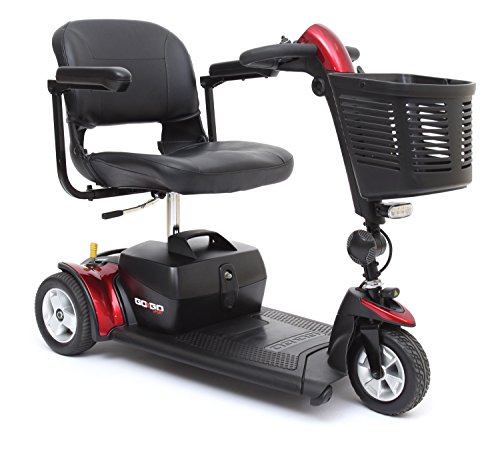
Although the rise of electric micro-mobility has been disruptive to traditional modes of transportation, it is an excellent method to improve mobility and accessibility for people with disabilities. These vehicles can be a great alternative to walking or using a wheelchair and can help bridge first and last mile gaps. These vehicles are also an excellent alternative for seniors who may not be able to walk or drive for long distances.